Snapshot:
- Overgrown canopies, storm-damaged limbs, and improper past pruning are the most common tree trimming issues, facing Jacksonville homeowners.
- Correct pruning timing and technique protect tree health and reduce storm-related hazards in Duval and St. Johns counties.
- Professional tree trimming in Jacksonville, FL addresses canopy imbalance, disease risk, and structural weakness before they become costly removals.
Jacksonville yards face a specific mix of tree trimming challenges driven by humid summers, hurricane season, and fast-growing native species like live oak and laurel oak. The most effective fix is routine, properly timed pruning that removes weak or crossing limbs before storms or decay turn a manageable problem into a hazard.
Many of the trimming problems local homeowners encounter stem from one source: delayed maintenance. Companies offering tree trimming in Jacksonville, FL typically identify canopy density, deadwood, and structural defects during routine visits, which is far less costly than emergency work after a limb fails.
Overgrown Canopies and Structural Imbalance
Fast-growing species common in North Florida can outpace a homeowner’s ability to manage them safely.
- Dense, uneven canopies block sunlight to lower limbs and nearby landscaping, often resulting in weak interior growth.
- Crossing or rubbing branches create wounds that invite pests and decay over time.
- Lopsided growth toward sunlight or away from structures adds wind resistance on one side of the tree, raising failure risk during storms.
Thinning the canopy to let wind pass through, rather than removing large sections at once, keeps the tree structurally sound. Arborists generally recommend addressing crossing limbs early and pruning only what is necessary to maintain natural form, since over-pruning weakens long-term health.
Storm Damage and Hurricane Season Risks
Florida’s hurricane season creates a distinct trimming challenge that other regions rarely face at the same scale. Preparing trees before storm season, and inspecting them afterward, is a recurring theme in regional tree care guidance from the UF/IFAS Extension, which recommends keeping urban trees in the best possible health before storms arrive.
Common post-storm and pre-storm trimming issues include:
- Hanging or broken limbs left in the canopy after wind events, which can fall without warning.
- Weak branch unions that split under wind load, especially in older laurel oaks.
- Overextended limbs near rooflines or power lines that become projectiles in high wind.
Addressing these before a storm reduces property risk; addressing them immediately after reduces the chance of secondary damage from compromised limbs.
Improper Past Pruning (Topping and Over-Thinning)
A frequent problem in established Jacksonville neighborhoods is damage from prior poor pruning practices rather than neglect.
| Problem | Why It Happens | Better Approach |
| Topping (hat-racking) | Cutting large stubs to quickly reduce height | Selective crown reduction preserving natural shape |
| Over-thinning | Removing too much canopy at once | Gradual, limited removal over multiple seasons |
| Flush cuts | Cutting too close to the trunk | Proper cuts just outside the branch collar |
| Lion-tailing | Stripping interior growth, leaving end-weight | Balanced thinning throughout the canopy |
Topping is explicitly discouraged by University of Florida extension guidance, which notes that the practice is harmful to a tree’s long-term health and increases vulnerability to wind damage. Correcting a topped or over-thinned tree often takes several growing seasons of careful, gradual pruning rather than a single aggressive cut.
Disease, Deadwood, and Pest Entry Points
Dead or diseased limbs left unaddressed can spread decay into otherwise healthy wood.
- Dead branches should be removed cleanly to prevent fungal entry at the wound site.
- Crossing limbs that rub bark create open wounds that attract pests and pathogens.
- Mulch should stay a few inches from the trunk to avoid bark rot that can mimic or worsen disease symptoms.
Routine inspection, ideally a couple of times a year, helps catch early signs of pest activity or dieback before it spreads through the canopy.
Frequently Asked Questions
How often should trees be trimmed in Jacksonville? Most established shade trees benefit from inspection and light maintenance trimming every one to two years, with more frequent checks after major storms.
What is the best time of year to trim trees in North Florida? Many deciduous and flowering species are best pruned during dormancy in late winter, while storm-prep trimming for oaks and other canopy trees is often scheduled before hurricane season begins.
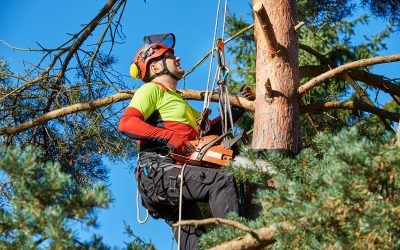
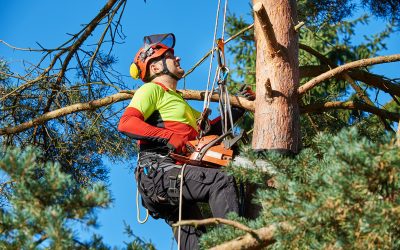
Can I trim large limbs myself? Climbing or using tools overhead carries serious injury risk; limbs beyond reach of a pole saw are generally safer left to an insured, trained professional.
Does topping ever make sense? No. Topping is considered harmful and is discouraged by university extension guidance because it weakens structure and shortens tree lifespan.
Trimming problems in Jacksonville yards almost always trace back to timing, technique, or delayed maintenance rather than the trees themselves. Addressing canopy imbalance, storm readiness, prior pruning mistakes, and early disease signs keeps trees healthier and reduces the odds of an expensive emergency later. Tree Masters Inc has been part of the Duval and St. Johns county tree care landscape, offering trimming, removal, and storm-related services for homeowners working through these common issues.