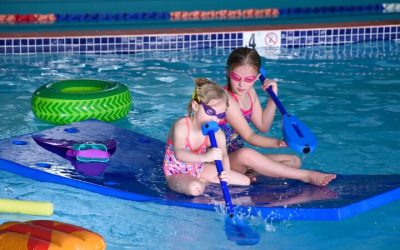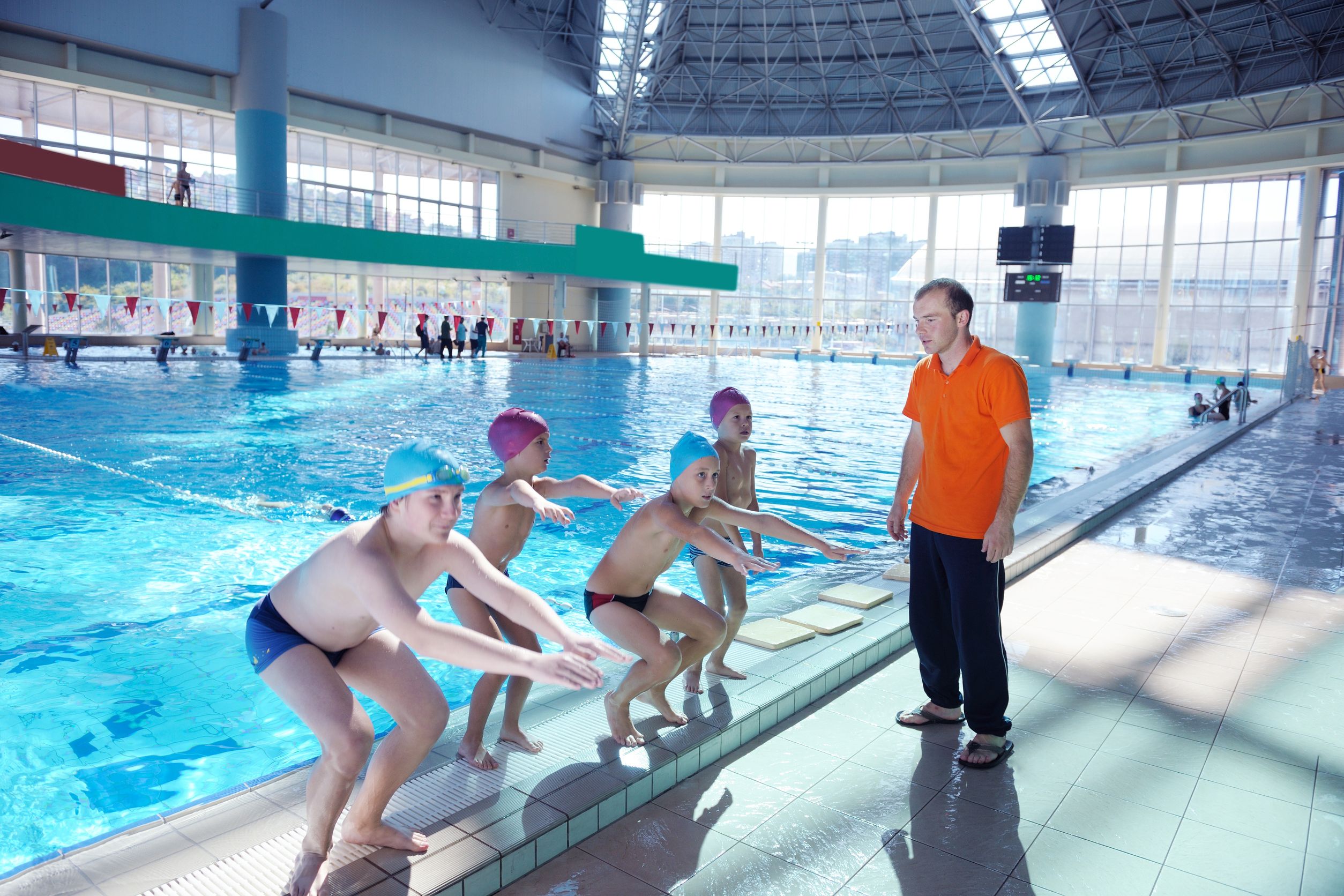
Water safety is a vital consideration for families across the United States, especially for those with young children. Drowning remains one of the leading causes of accidental death in children under five, making early education and exposure to water environments an essential part of childhood development. While parents are often vigilant about supervising their children around pools, lakes, and bathtubs, the reality is that accidents can happen in seconds. For families searching for ways to build a foundation of water safety from an early age, infant swimming lessons in Frisco, TX, is a frequently searched term, reflecting a growing interest in structured programs that prioritize safety and skill development for infants and toddlers.
The Importance of Early Water Safety Education
Introducing children to water at a young age can have a profound impact on their comfort, confidence, and safety around aquatic environments. Early water safety education is not just about learning to swim—it’s about understanding how to interact safely with water, recognizing potential risks, and developing respect for aquatic settings. Research shows that participation in formal swimming lessons can significantly reduce the risk of drowning in young children.
Key Benefits of Infant Swimming Lessons
- Building Water Familiarity and Reducing Fear
Infants and toddlers are naturally curious. Introducing them to water in a controlled, supportive environment helps them become familiar with aquatic surroundings. This early exposure reduces fear and anxiety, making future swimming experiences more enjoyable and less stressful for both children and parents.
- Developing Foundational Skills
Infant swimming lessons focus on basic water skills such as floating, kicking, and breath control. While infants are not expected to swim independently, these foundational skills are critical building blocks that prepare them for more advanced swimming techniques as they grow.
- Enhancing Physical and Cognitive Development
Swimming is a full-body activity that promotes coordination, balance, and muscle strength. Engaging in water activities at a young age can also support cognitive development, as infants learn to follow instructions, respond to cues, and develop spatial awareness.
- Promoting Parent-Child Bonding
Many infant swimming lessons encourage parental participation. This not only provides reassurance for the child but also strengthens the bond between parent and child through shared activities and positive reinforcement.
How Infant Swimming Lessons Support Water Safety
While no lesson can make a child “drown-proof,” structured swimming programs for infants offer a multi-faceted approach to water safety that benefits families nationwide:
Teaching Safety Skills and Water Awareness
Infant swimming lessons are designed to introduce age-appropriate safety skills. These may include:
- Learning to float on the back, which can provide a life-saving pause in an emergency.
- Practicing safe entries and exits from the water to prevent slips and falls.
- Understanding basic cues and commands, such as stopping at the pool edge or waiting for an adult’s signal.
By familiarizing infants with these essential safety behaviors, lessons help instill habits that can reduce the likelihood of accidents as children grow older.
Encouraging Supervision and Safe Practices
Swimming lessons often incorporate education for parents and caregivers as well. Instructors emphasize the importance of constant supervision, barriers around pools, and emergency preparedness, reinforcing that lessons are just one component of a comprehensive water safety strategy. This holistic approach empowers families to create safer environments at home and in public aquatic settings.
Building Confidence for Lifelong Safety
Children who are comfortable and confident in the water are more likely to continue developing their swimming abilities throughout childhood. Early positive experiences reduce the risk of panic in unexpected situations and foster a healthy respect for water. This confidence can be a crucial factor in preventing accidents, as children are more likely to recall and apply safety skills when needed.
The Role of Community and Accessibility
Communities across the USA are recognizing the value of early water safety education and making efforts to increase access to quality swimming programs. In regions like Frisco, Texas, local organizations and aquatic centers offer a variety of infant swimming lesson options, catering to diverse family needs and schedules.
What Families Should Look for in an Infant Swimming Program
When choosing an infant swimming program, families should consider several factors to ensure a positive and effective experience:
- Certified Instructors: Look for programs with instructors trained in infant and child aquatic education and certified in CPR and first aid.
- Age-Appropriate Curriculum: Lessons should be tailored to the developmental stage of the child, focusing on gentle, supportive instruction.
- Small Class Sizes: Smaller groups allow for more individualized attention and a safer learning environment.
- Clean, Safe Facilities: A well-maintained pool with appropriate safety measures is essential for infant lessons.
- Parental Involvement: Programs that encourage or require parent participation foster a more secure and supportive atmosphere for infants.
Water Safety Beyond the Pool
While infant swimming lessons are a crucial step, water safety is an ongoing responsibility. Families should complement lessons with additional precautions:
- Install Barriers: Ensure home pools are fenced with self-latching gates.
- Supervise Constantly: Never leave children unattended near water, even for a moment.
- Learn CPR: All caregivers should be trained in CPR and basic water rescue techniques.
- Educate Regularly: Reinforce water safety rules at home and during recreational activities.
Early exposure to water and structured swimming lessons can be transformative for families seeking to prioritize safety and confidence for their children. Infant swimming lessons in Frisco, TX, exemplify the proactive steps families across the USA can take to reduce drowning risks and foster a lifelong respect for water. By building foundational skills, encouraging safe practices, and promoting community education, these programs play a pivotal role in supporting early water safety. Ultimately, combining quality instruction with vigilant supervision and continued education ensures that children—and their families—can enjoy aquatic environments with greater security and peace of mind.