Takeaway:
- Black Beauty fescue is a tall fescue variety known for deep roots, dark green color, and strong drought and wear tolerance.
- It performs well in Riverside’s inland valley climate when watered deeply and infrequently rather than on a daily schedule.
- Local sod suppliers can confirm current availability, roll sizes, and delivery timing for Riverside-area installs.
Homeowners searching for a durable, good-looking lawn grass that tolerates Riverside’s hot, dry summers often land on tall fescue blends like Black Beauty because of their deep root systems and lower water demands compared to some other cool-season grasses. This article breaks down what the variety offers, how it performs locally, and what to check before ordering.
What Makes Black Beauty Fescue Different
Black Beauty is a turf-type tall fescue bred for a combination of appearance and resilience rather than one trait alone. According to product specifications from sod growers, Black Beauty Tall Fescue is a premium turfgrass known for its superior drought tolerance, deep roots, and lush, dark-green color. That root depth is a major part of its reputation.
Several sod suppliers describe the same core genetics:
- Deep root system: Black Beauty Original grass seed produces grass roots that can grow up to 4-feet deep for superior drought tolerance.
- Leaf coating: The waxy coating on the leaves helps preserve moisture when hot.
- Disease and pest resistance: It contains improved seed varieties for beauty and durability with both pest and disease resistance.
- Sun and shade flexibility: It establishes quickly and grows well in full sun or partial shade with less watering.
For homeowners weighing black beauty fescue sod in Riverside against other turf types, these traits matter most in a climate with long dry stretches and intense summer sun.
How Black Beauty Fescue Performs in Riverside’s Climate
Riverside sits in a hot inland valley, which changes how any cool-season grass should be watered compared to coastal zones. Guidance from Los Angeles County’s water management program notes that a cool season grass such as a tall fescue, growing in a hot inland valley, needs 0.8 inches per week in the spring/fall and 1.6 inches per week in the summer, which is noticeably more than the same grass would need near the coast.
That said, tall fescue’s deep roots help it cope with heat stress better than shallow-rooted turf. The University of California’s center for landscape and urban horticulture explains that irrigation should reach the depth of the plant’s root zone, noting that tall fescue lawns normally have roots 6 to 12 inches deep. Watering deeply and less often, rather than daily shallow watering, encourages that root development and improves drought resilience over time.
Fescue vs. Other Sod Options: A Quick Comparison
| Grass Type | Water Needs | Shade Tolerance | Best Fit |
| Black Beauty Tall Fescue | Moderate, deep watering | Good in partial shade | Residential lawns with mixed sun/shade |
| Standard Kentucky Bluegrass | Higher | Limited | Full-sun lawns needing fast spread |
| Bermuda Grass | Lower once established | Poor | Full-sun, low-maintenance lawns |
Each grass type suits a different yard. Tall fescue blends like Black Beauty are typically chosen when a property has both sunny and partially shaded zones, since it establishes quickly and grows well in full sun or partial shade with less watering.
Installation and Care Basics
Getting new sod established correctly matters as much as the grass variety itself. A few practical points for a Riverside installation:
- Water consistently during establishment. New sod needs frequent light watering for the first two to three weeks before shifting to a deep, infrequent schedule.
- Mow at the right height. Taller mowing heights reduce heat stress and shade out weeds during summer months.
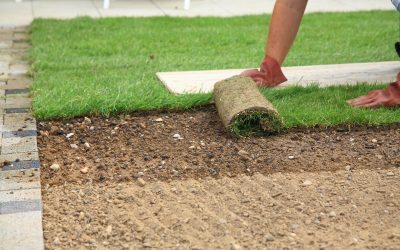
- Check soil prep before delivery. Grading and amending soil ahead of installation helps roots establish faster once sod arrives.
- Confirm delivery windows. Fresh-cut sod should be installed within hours of delivery to avoid drying out or matting.
Local growers who cut sod close to delivery day, rather than shipping from distant farms, tend to deliver a fresher product that establishes more reliably.
Frequently Asked Questions
Is Black Beauty fescue a good choice for a Riverside lawn? It can be a strong option for yards with a mix of sun and shade, given its drought tolerance and ability to perform in partial shade.
How often should new fescue sod be watered after installation? New sod generally needs frequent, light watering for the first few weeks, then a transition to deeper, less frequent irrigation as roots establish.
Does fescue sod need more water than warm-season grasses in Riverside? Yes, cool-season grasses like tall fescue generally require more water than warm-season options such as Bermuda grass, particularly in hot inland valleys.
Can fescue sod handle Riverside’s summer heat? Tall fescue’s deep root system helps it tolerate heat and drought stress better than shallow-rooted turf, though consistent irrigation during peak summer is still necessary.
Final Thoughts on Choosing Fescue Sod
Black Beauty fescue offers a practical balance of appearance, shade tolerance, and drought resilience for homeowners in Riverside’s inland valley climate. Matching the grass to a property’s sun exposure and committing to a deep, infrequent watering routine are the two factors that most influence long-term lawn health. For current stock, roll sizes, or delivery scheduling in the Riverside area, Quality Turf, Inc. can provide up-to-date details on what is available for a specific property.