Key point:
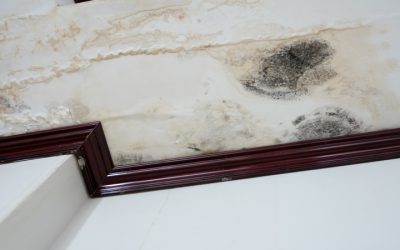
• Basement flooding should be treated as a time-sensitive emergency because moisture reaches drywall, wood, and carpet padding within hours and can promote mold growth in as little as one to two days.
• Effective cleanup follows a sequence: safety checks, water extraction, structural drying, and sanitation before any repairs begin.
• Professional basement flood damage cleanup in Hinsdale, IL combines industrial extraction equipment with moisture monitoring to reduce long-term structural and health risks.
A flooded basement rarely stays a small problem for long. Once water seeps past flooring and into wall cavities, the clock starts running on mold growth, warped materials, and weakened framing. Basement Flood Damage Cleanup in Hinsdale IL typically begins with locating the source of water intrusion, whether it is a failed sump pump, a sewer backup, or stormwater seeping through foundation cracks, before any drying work can start.
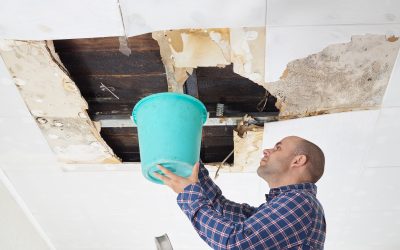
Emergency water damage restoration is a multi-step process rather than a single service call. It involves removing the water, drying affected areas, and restoring the property after leaks, floods, or burst pipes in Hinsdale, IL, with the goal of stopping further damage, reducing health risks, and returning the space to a safe, usable condition. That approach matters because basement water rarely resolves on its own once materials like drywall and carpet padding are saturated. If you’re dealing with water damage now, Get in Touch with Parkside Restoration.
What Happens During a Basement Flood Cleanup
Cleanup crews typically follow a structured sequence rather than jumping straight to repairs. Emergency water damage restoration involves immediate action to control water intrusion and stabilize the property, including water damage cleanup using industrial pumps, drying systems, and moisture monitoring tools.
A typical basement flood response includes:
• Shutting off electricity to affected areas and checking for safety hazards
• Pumping out standing water with industrial extraction equipment
• Removing saturated materials such as carpet padding, insulation, and damaged drywall
• Positioning commercial dehumidifiers and air movers to dry framing and subfloor
• Monitoring moisture levels in walls and flooring until readings return to normal
This order matters because drying before full extraction, or skipping moisture checks, often leaves hidden pockets of water behind baseboards or under flooring.
Why Fast Response Reduces Long-Term Damage
Speed is one of the most consistent factors separating a manageable cleanup from a costly rebuild. Fast response matters because water spreads quickly and weakens structural materials, and this service also helps prevent secondary issues like mold growth, warped flooring, and electrical hazards when equipment and trained technicians extract water and control moisture before problems worsen.
That urgency is backed by federal guidance on indoor moisture. The EPA’s mold course on prevention notes that wet areas should generally be dried within roughly 48 hours to prevent mold from establishing itself, which is why delayed basement cleanup often leads to a secondary mold problem on top of the original water damage.
Benefits Homeowners Can Expect
Professional cleanup offers several practical advantages over DIY attempts, particularly for basements where water volume and contamination risk are harder to judge. Benefits include stopping water from spreading to unaffected areas, reducing the risk of mold and structural decay, protecting flooring, walls, and electrical systems, and supporting safer reentry into the property.
| Cleanup Stage | Primary Goal | Common Tools Used |
| Water extraction | Remove standing water quickly | Industrial pumps, wet vacuums |
| Structural drying | Prevent warping and mold | Dehumidifiers, air movers |
| Moisture monitoring | Confirm materials are fully dry | Moisture meters, hygrometers |
| Sanitation | Address contamination risk | Antimicrobial treatments |
Sewage and Contaminated Water Considerations
Not all basement floods involve clean water. When sewage or groundwater backup is involved, the cleanup process requires additional sanitation steps beyond standard drying. Sewage cleanup services involve safely removing sewage contamination, sanitizing affected areas, eliminating odors, and restoring the property while following industry-standard safety procedures. Homeowners dealing with a backed-up floor drain or overwhelmed sump pump should treat the water as contaminated until a professional confirms otherwise, since handling it without proper protective equipment carries real health risk.
Basement flooding in Hinsdale often follows heavy rain events or aging sump systems common in older homes throughout the area. Recognizing the warning signs early, a musty smell, visible water lines, or a sump pump running constantly, gives homeowners a better chance of limiting damage before it spreads to framing and finished spaces. Acting within the first day or two after water intrusion remains the clearest way to protect both the structure and the household budget from a secondary mold remediation project.
Frequently Asked Questions
How quickly should a flooded basement be cleaned up? Cleanup should start as soon as it is safe to do so. In general, all wet areas should be completely dried within 48 hours to prevent mold from growing, and when things get wet they should be dried quickly.
Does basement flood cleanup include sewage backups? Yes, when the water source is contaminated. Sewage cleanup involves safely removing sewage contamination, sanitizing affected areas, eliminating odors, and restoring your property while following industry-standard safety procedures.
What equipment is used to dry a flooded basement? Crews typically rely on industrial pumps for extraction followed by drying systems and moisture monitoring tools to confirm materials are fully dry before repairs begin.
Can homeowners handle basement flood cleanup themselves? Minor, clean-water incidents may be manageable, but larger floods or any contact with sewage generally call for professional extraction and drying equipment to reduce mold and structural risk.
Basement flooding is disruptive, but a clear, methodical response limits how far the damage spreads. Homeowners who document the water source, act within the first 24 to 48 hours, and bring in equipment suited to full extraction and drying put themselves in the best position to avoid a secondary mold or structural issue. For Hinsdale homeowners facing an active basement flood, reviewing verified service details through Find the Parkside Restoration Business Listing on Google Maps can be a useful next step before deciding how to proceed.