At glance:
• Storm damage such as missing shingles, lifted flashing, or active leaks calls for prompt assessment by a licensed roofer rather than a DIY roof climb.
• An Emergency Roofer typically handles tarping, damage documentation, and coordination with insurance adjusters.
• Mount Pleasant, SC-based contractors commonly extend emergency response into nearby areas, including Summerville, SC.
A roof battered by high winds, hail, or fallen limbs needs a fast, professional response because exposed decking lets water intrude within hours, not days. Contacting a qualified emergency roofer quickly reduces the risk of secondary damage to insulation, drywall, and framing while the situation is documented for an insurance claim.
Homeowners searching for an Emergency Roofer after a storm are usually dealing with a visible breach, an active leak, or debris resting on the roofline. Acting on that search quickly matters: roofing professionals note that storm-related openings can worsen rapidly, and delaying repair increases the odds of interior water intrusion and mold growth.
Why Fast Action Matters After a Storm
Roof damage rarely stays contained. A small gap in shingles or flashing can widen with each subsequent rain event, turning a minor repair into a full section replacement.
• Exposed decking absorbs moisture quickly, which can compromise structural integrity if left uncovered.
• Insurance claims often require timely documentation of damage before repairs begin.
• Wind-lifted shingles or tiles left unaddressed can detach completely during the next storm.
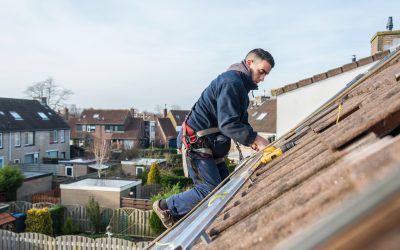
Federal safety guidance on post-storm roof work emphasizes that roof inspection, tarping, and repair often requires workers to access steep, slippery, or deteriorating surfaces, which is why this work is best left to trained professionals rather than homeowners climbing a damaged roof themselves.
What an Emergency Response Typically Involves
A professional response to storm damage generally follows a sequence designed to stabilize the roof and support any insurance review.
1. Initial assessment of the affected area to identify missing shingles, punctured decking, or displaced flashing.
2. Temporary protection , such as tarping, to prevent further water entry while permanent repair is scheduled.
3. Documentation of the damage, which supports the insurance claim process.
4. Repair or replacement planning , depending on the extent of the damage found during inspection.
| Damage Type | Typical Signs | Common Response |
| Wind damage | Missing or lifted shingles | Inspection and targeted repair or tarping |
| Hail damage | Dented or cracked shingles | Inspection and repair/replacement assessment |
| Storm leaks | Water stains, active drips | Tarping followed by leak repair |
Storm Preparedness Considerations for Summerville, SC
Homeowners in Summerville, SC contend with seasonal thunderstorms, tropical systems, and occasional hail that can stress aging roofing materials over time. Scheduling a roof inspection before storm season, rather than waiting for visible damage, helps identify weak points such as deteriorating flashing or worn shingle edges.
• Keep a record of past roof repairs and the age of current roofing materials.
• Clear gutters and downspouts regularly so water does not back up under shingles during heavy rain.
• Review homeowners insurance coverage for wind and hail damage before storm season begins.
Based in Mount Pleasant, SC, Ketchum Roofing & Windows extends roofing service into the surrounding Lowcountry, including Summerville, SC. The company’s listed offerings include roof repair, roof replacement, storm damage response, and window and door installation, along with support navigating the insurance claim process after a weather event.
Frequently Asked Questions
How quickly should storm damage be addressed? Industry guidance generally recommends covering exposed areas with a tarp as soon as conditions are safe, since delayed action increases the risk of water intrusion and interior damage.
Is it safe to inspect roof damage without a professional? A visual check from the ground is reasonable, but climbing onto a wet, steep, or storm-damaged roof carries a real fall risk and is best left to trained roofing professionals.
Does an emergency roof repair affect an insurance claim? Documenting damage with photos and a professional inspection report before and after temporary repairs generally supports a smoother insurance claims process.
What is the difference between emergency repair and full replacement? Emergency repair addresses immediate exposure, such as a tarp or patch, while replacement involves removing and installing new roofing materials after a full damage assessment.
Homeowners reviewing roofing options after a storm can Learn More About Ketchum Roofing & Windows to find current service area details and contact information.